


Key takeaways
- Cancer starts when cells grow and divide in an uncontrolled way.
- There are many types of cancer, each behaving differently.
- Risk factors include age, lifestyle, environment and genetics.
- Early detection often gives more treatment options.
1. What is cancer?
Cancer is a group of diseases in which abnormal cells grow and divide in an uncontrolled way. These cells can form a mass (called a tumour), invade nearby tissues and sometimes spread to other parts of the body.
Cancer is not just one disease. It’s a broad term for many different diseases that can affect almost any part of the body.
2. How does cancer develop?
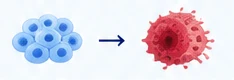
Our bodies are made up of billions of cells. Normally, cells grow, divide and die in a controlled way. Cancer can develop when changes (mutations) occur in a cell’s DNA, affecting the instructions that tell the cell how to grow and when to stop. When these control systems fail, the cell can keep dividing and may form a tumour.
3. Types of cancer
There are more than 100 different types of cancer. They are usually named after the part of the body where they start, for example breast cancer, prostate cancer or lung cancer. Each type can behave differently and requires specific assessment and treatment.
4. Why does cancer happen?
Cancer can happen to anyone, and it’s not always clear why. A combination of factors can increase risk, including:
Age
Risk increases as we get older.
Genetics
Some inherited changes can increase risk.
Lifestyle
Smoking, poor diet, physical inactivity and alcohol use can increase risk.
Environment
Exposure to certain chemicals, radiation and infections.
Other factors
Some cancers occur without any known risk factors.
5. Can cancer be prevented?
Not all cancers can be prevented, but many cases may be reduced by healthy lifestyle choices, vaccination (such as against HPV and hepatitis B), avoiding known risk factors and attending recommended screening programmes.
6. What next?
If you have concerns about cancer or are facing a diagnosis, the next step is to speak with your healthcare team. Reliable information can help you ask the right questions and make informed decisions.